Private, Geisha, and Casual Tea Ceremonies in Osaka
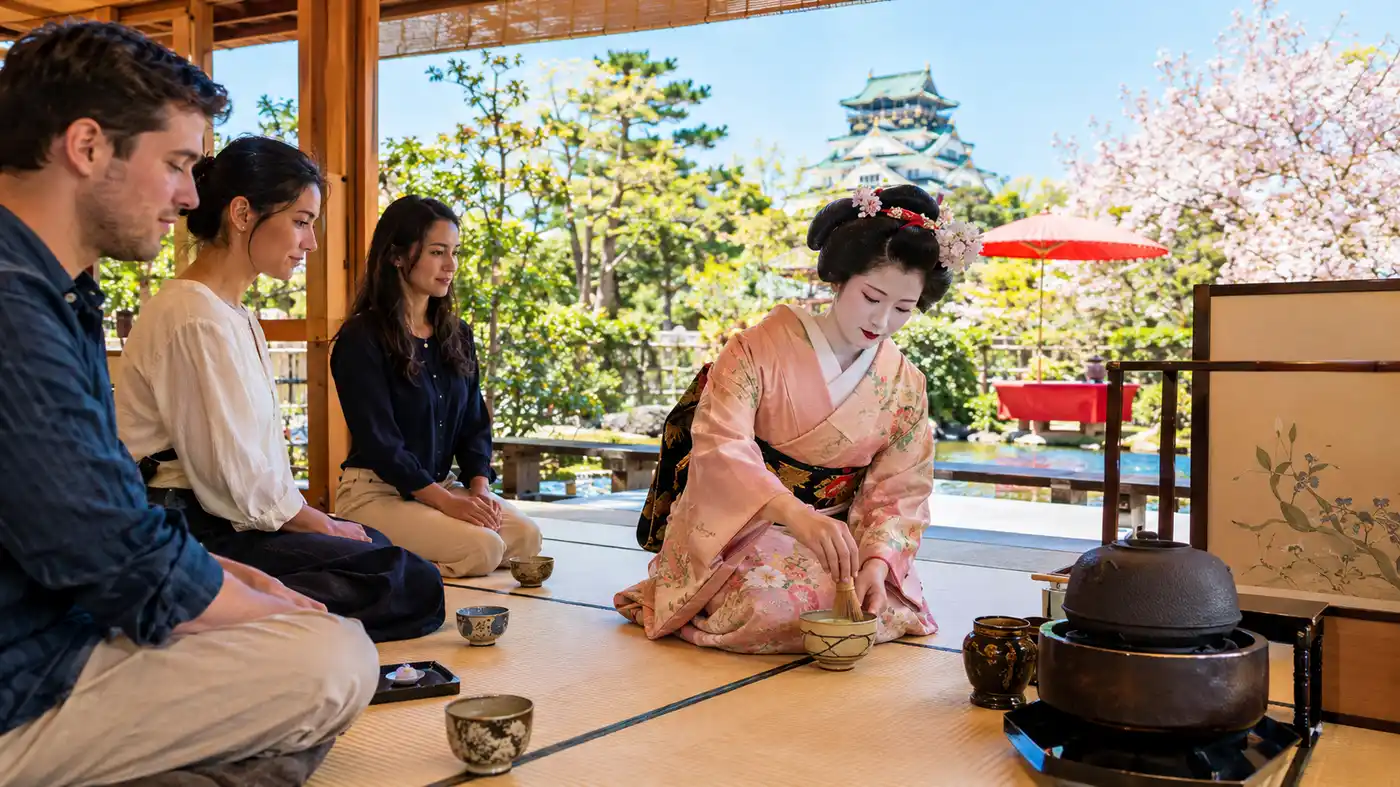
Most travelers imagine sitting motionless in an icy wooden pavilion when they think of Japanese matcha, their legs falling asleep while an instructor watches every pinky twitch. I used to think the same until I found a tiny studio tucked between a vintage shop and an izakaya in Nakazakicho. Osaka does things on its own terms. If you want a secluded room without ten strangers bumping elbows with your camera bag, booking a private tea ceremony osaka hosts run will show you a warm, conversational side of this ancient ritual that you simply cannot get in larger tourist cities.
The city does not have just one kind of encounter with green tea. Depending on how much time you have between bowls of takoyaki, you can sit with a working entertainer in an upscale quarter, drop into an unpretentious cafe for a sweet cake, or rent a secluded machiya garden for an hour. Here is how the private, geisha-led, and casual options stack up across Osaka, along with what you should expect to spend.
Book your tea ceremony osaka experience:
Why Booking a Private Tea Ceremony Osaka Studio Changes the Experience
Group sessions in Kansai often pack eight to twelve tourists around a single low table. You spend half the time watching other people awkwardly whisk their tea powder, wondering if you are holding your ceramic bowl at the right angle. In a private room, the entire hour bends around your pace. You can ask why the host chose that specific hanging scroll, or why the iron kettle makes that low humming sound like wind in a pine forest.
Privacy also lets your knees breathe. Traditional seiza sitting is brutal on Western joints after about seven minutes. In private rooms, hosts will instantly bring out small wooden stools, tatami chairs with backrests, or let you stretch your legs out without feeling like you broke an imperial decree. It turns a rigid demonstration into an actual afternoon tea.
I booked an afternoon slot last autumn in an old merchant house near Sakai, the historic birthplace of tea master Sen no Rikyu just south of central Osaka. The master had spent 30 years studying Urasenke traditions. Instead of running through a scripted performance, he asked about my train ride from Namba, showed me how the handle on his bamboo ladle was carved specifically for winter months, and let me grind roasted tea leaves myself. That kind of back-and-forth conversation only happens when the door is closed to the street.
Pro tip: Request a morning slot around 10:00 AM if you book private rooms. The host prepares fresh kettle water early, the tatami smells crisp, and your palate is completely clean before lunch spices take over.
Geisha and Maiko Tea Ceremony Osaka Options
People assume you have to stay in Gion to see a classical entertainer pour tea. That is a myth. Osaka has had its own thriving entertainment districts for hundreds of years, centered in Kitashinchi and the historic theater streets of Minami. While Kyoto leans toward aristocratic restraint, an Osaka geiko or maiko often possesses an open, witty banter that makes a tea ceremony surprisingly lively.
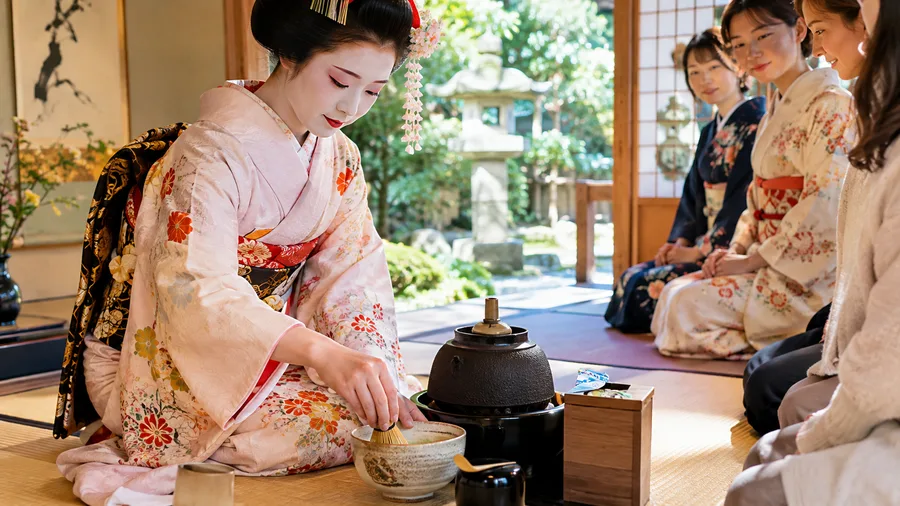
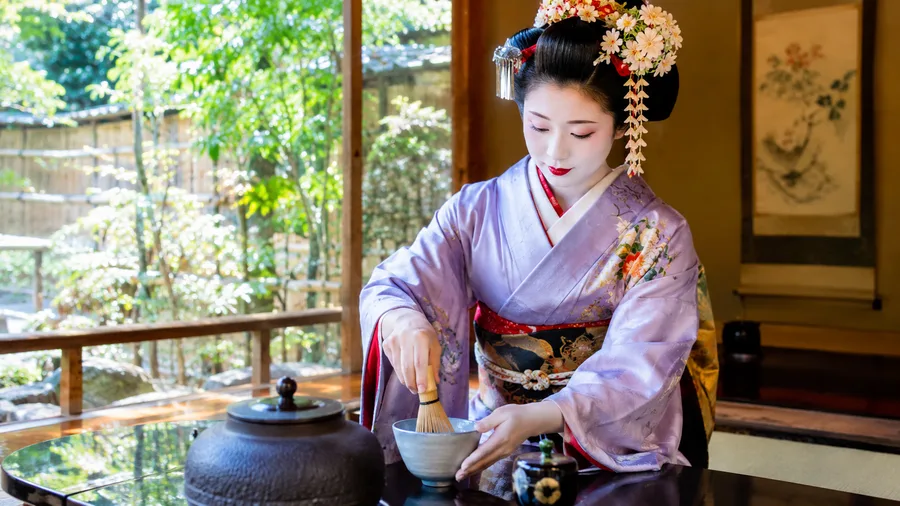
A true geisha tea ceremony osaka booking is rare, premium, and unforgettable. The room usually smells faintly of camellia hair oil and incense. An apprentice entertainer, dressed in heavy trailing silk with seasonal kanzashi hairpins swaying above her brow, will guide the presentation. You watch the water poured from a heavy cast iron kettle with practiced, feather-light movements that take three years of daily rehearsal to master.
For visitors keen on seeing apprentice artisans up close, a maiko tea ceremony osaka package typically pairs tea preparation with a short traditional dance or a brief shamisen tune. These sessions run anywhere from 14,000 to 28,000 yen per guest, depending on whether you are splitting the room with family or hiring the performers exclusively. It is undeniably expensive, but you get to speak directly with an entertainer through a translator, asking candid questions about their training, costumes, and daily life in modern Osaka.
If you enjoy the aesthetic side of these traditions, pairing your day with a traditional dress experience in Osaka makes the entire visit feel complete, as wearing light cotton or silk helps you understand why the formal arm gestures developed the way they did.
| Ceremony Style | Average Cost (JPY) | Duration | Setting | Atmosphere |
|---|---|---|---|---|
| Private Studio | 7,000 - 12,000 | 60 - 75 min | Historic Machiya or Garden | Calm, intimate, educational |
| Geisha / Maiko | 15,000 - 28,000 | 60 - 90 min | Kitashinchi Chashitsu | Refined, cultural, theatrical |
| Casual Workshop | 2,500 - 4,500 | 35 - 45 min | Modern Tea Bar or Cafe | Relaxed, speedy, self-service |
| Mochi Pairing | 3,800 - 6,000 | 50 min | Sweet Shop tearoom | Flavor-focused, cozy, playful |
Relaxed Alternatives: Casual and Cheap Tea Ceremony Osaka Finds
Not everyone wants a solemn hour of bowing. Sometimes you just walked nine miles around Dotonbori, your feet ache, and you want to drink frothy green tea without paying $100 for the privilege. That is where a casual tea ceremony osaka cafe comes in handy.
Neighborhood tea rooms in areas like Tennoji and Fukushima offer stripped-down versions of the ceremony. You sit on a stool at a polished timber counter. The shopkeeper whisks a bowl of high-grade Uji matcha right in front of you, sets down a small seasonal candy, and gives you a two-minute explanation of the tea farm in Wazuka where the leaves grew. No bowing routines, no rules about rotating the cup three times before taking a sip.
You can also track down a cheap tea ceremony osaka spot at municipal cultural centers, temple halls, or department store basement exhibition spaces. Osaka International House and several local ward offices host volunteer-run tea clubs on weekends. These sessions often cost between 500 and 1,500 yen. You sit with neighborhood retirees who are simply happy to share their passion. The tea might be served in everyday ceramic bowls rather than 200-year-old antiques, but the warmth in the room is unbeatable.
When weighing your itinerary, thinking about tea ceremony differences across Osaka and neighboring cities can help you decide whether to spend your budget here or save formal tea experiences for other stops on your route.
Note: Low-cost neighborhood sessions usually require you to take off your shoes at the entrance. Make sure you wear clean, plain white socks, as bare feet on traditional woven rush mats are considered bad manners.
Book your tea ceremony osaka experience:
Sweet Pairings and the Osaka Mochi Tea Ceremony
Matcha served in tea ceremonies is genuinely bitter. It is not the sugary green latte drink people order at modern cafes back home. To balance that strong vegetal bite, every traditional ceremony starts with a sweet treat called wagashi, eaten before the tea even touches your tongue.
If you have an appetite for sweets, seek out an osaka mochi tea ceremony experience. Several confectioners around Shinsaibashi let guests pound fresh glutinous rice with small wooden mallets or shape their own soft daifuku filled with sweet adzuki red bean paste. Eating warm, pillowy rice cake that you shaped five minutes earlier, followed immediately by hot, frothy koicha (thick tea), highlights why this flavor pairing has lasted for seven centuries.
The sweets change with the calendar. A winter session might feature warm chestnut paste wrapped in translucent mochi skin, while spring brings salted cherry blossom leaves folded around pink rice dough. The contrast between the rich sugar and the sharp green tea cuts right through the heaviness of typical Osaka street food.
Practical Tips for Picking the Right Setting
Choosing your experience comes down to what you want to walk away with. Some people want stunning photos in an embroidered robe. Others want historical trivia or quiet relaxation away from neon billboards. Keep these practical factors in mind before reserving:
- Footwear and socks: Wear slip-on shoes since you will leave them in wooden cubbies at the threshold. Bring a clean pair of socks in your bag if you wear sandals in summer.
- Mobility concerns: If sitting on your shins is painful, ask in advance for a seiza chair or low bench. Most private tea hosts keep them tucked behind sliding paper screens.
- Photography rules: Always ask before taking pictures, especially during geisha or maiko sessions. Many masters prefer that you put phones away while the tea is actively being prepared.
- Jewelry and watches: Take off wristwatches, bracelets, and heavy rings before entering. Sharp metal can easily scratch irreplaceable raku ware bowls that have been used for generations.
Booking windows vary wildly. Private machiya spaces and geiko engagements should be secured at least three weeks ahead of your travel dates. Casual tearooms and department store counters, on the other hand, rarely take advance bookings at all; you simply write your name on a paper clipboard outside the door and wait fifteen minutes.
Frequently Asked Questions about private tea ceremony osaka
How much does a private tea ceremony osaka booking usually cost?
Private sessions usually range from 7,000 to 12,000 yen per person for an hour. If you hire a private room with a geisha or maiko in an exclusive quarter, prices climb to between 15,000 and 28,000 yen per guest.
Can children attend a private tea ceremony in Osaka?
Yes. Private bookings are the best way to bring children because you will not disrupt other guests. Hosts often prepare a milder, sweeter matcha or barley tea for young kids alongside traditional sweets.
What should I wear to a private tea ceremony in Osaka?
Comfortable, modest clothes work fine. Avoid very short skirts or tight denim pants that make sitting on tatami painful. Do not wear strong perfumes, as tea masters take great care in scenting rooms with subtle incense.
Quick Reference
- Private sessions run 60 to 75 minutes
- Standard private prices start around 7,000 yen
- Clean white socks required for tatami floors
- Kitashinchi hosts Osaka geisha and maiko tea
- Reserve private rooms 2 to 3 weeks ahead
Book your tea ceremony osaka experience:
My Take: Finding Your Own Pace in Osaka
Osaka will never be as quiet or reverent as Kyoto, and honestly, that is its greatest strength. A tea session here feels like a living art form rather than a museum exhibition trapped behind velvet ropes. Whether you choose to spend an opulent evening with a maiko in Kitashinchi, rent a sunlit private garden room, or grab a 500-yen bowl of matcha at a neighborhood sweet shop, pick the style that matches your travel energy. Just kick off your shoes, accept the bitter bowl with two hands, and enjoy the momentary stillness in Japan's most energetic city.
Read more about tea ceremony osaka.